A client of mine almost walked out of the best meal of his trip because it didn't look authentic enough.
We had come to Mario's — the kind of place locals go for a nice Sunday lunch, and by locals I do mean the black-robed parish priests and a singer from the eighties. He hesitated at the door. It looked like a restaurant, not a taverna from Olympia or Athens. No checkered cloths, no rustic performance, none of the visual grammar that tells a visitor this is the real deal. His face did the thing a face does when reality fails to match the picture in your head, and he seemed ready to turn around.
He stayed for one reason: he already trusted me enough to override his own first impression. He'd let my read of the island stand in for his own for a few hours. So he sat down, asked for soutzoukakia — a dish brought to Greece by refugees from Asia Minor, but that's a story for another day — and got local tomato fritters instead. He still talks about that meal with his family.
I've thought about that doorway a lot since, because everything important about my work happened in the two seconds he stood in it, favoring his tired hip.
Keywords: Tourism Narrative; authenticity; Perception Reset; visitor experience; destination storytelling.
1. He Arrived Carrying a Fiction
He arrived at Mario's carrying a fiction — and let's be clear about not calling it a lie, but a convenient shorthand: an image of what an authentic Greek meal is supposed to look like, to avoid going into nuance that may seem harder to sell. The genuine local Sunday spot looked less authentic than the performed taverna that would have happily ripped him off, and he nearly rejected reality for failing to cosplay itself.
This is the truth our industry works very hard not to say out loud. Tourism is mostly fiction. That's not the problem. Pretending otherwise is.
2. People Arrive Inside Stories
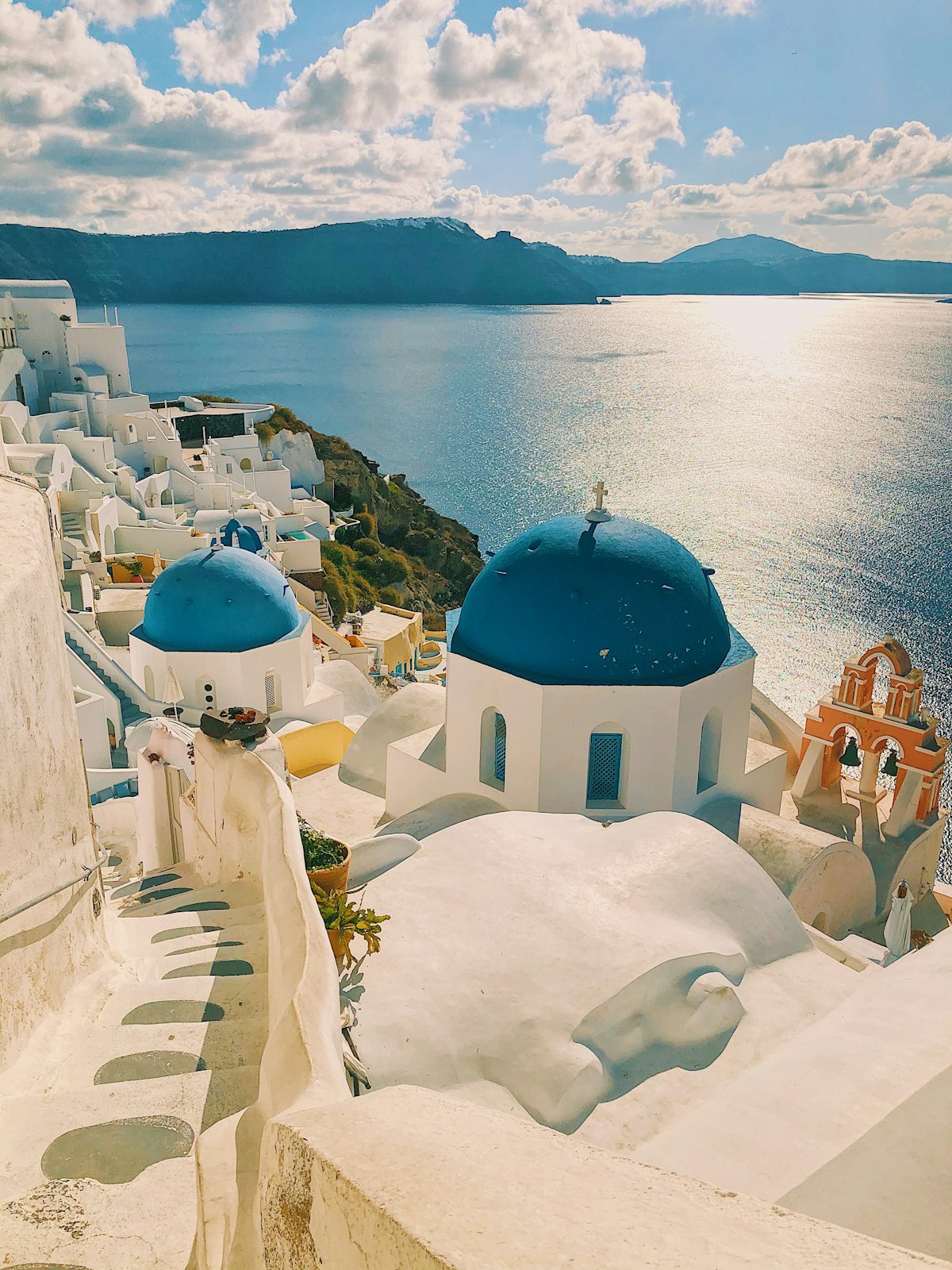
People do not arrive at destinations. They arrive inside stories about those destinations. A traveler lands in Santorini already holding an image: from a film, an algorithm, a friend's honeymoon described so many times it became their own. My client walked into Mario's holding a picture of authenticity, and the picture almost cost him the meal.
We treat this as a flaw to be corrected with more authenticity, as though the goal were to strip the fiction away and deliver the traveler to unmediated truth. But there is no unmediated truth in travel. Everyone in the exchange is playing a role slightly outside their daily life, which is rather the point. The traveler is not their ordinary self — they're the version who came here to feel something. More open, often more child-like in their sense of wonder. The host, the guide, the island itself all step into a frame that is partly performed.
A honeymoon is a performance. A pilgrimage is an ancient rite. The most meaningful experiences of our lives are often the most deliberately staged.
3. The Trouble Is When Two Fictions Don't Align
The traveler arrives inside one story — the postcard, the inherited memory, the expectation of what authentic looks like — and the destination is running a different one. The gap between expectations and encounter is where disappointment comes from.
It's my client frozen in the doorway, wary of the rows of red snapper on ice, because he hadn't seen the fisherman open the boot of his car earlier in the day. It's the frozen fish served as real fish, real fire, when it's anything but. It's the caldera sunset arrived at with ten thousand identical photos before your eyes, so you only ever feel the flatness of confirmation or brief triumph of social validation instead of the lift of discovery.
4. Familiar Enough, Surprising Enough
An idea from an unrelated field explains this precisely. In Hit Makers, Derek Thompson argues that hits — songs, films, memes, anything that catches — work through the tension between the familiar and the surprising. Not the wholly new, which frightens us. Not the wholly known, which bores us. The new thing wearing just enough of the familiar to feel safe, and just enough surprise to feel alive.
That is exactly how a place lands, or fails to. The traveler needs the familiar — the image they came for — honored rather than mocked. And they need the surprise, the thing the image didn't contain, arriving at the right moment to make the familiar feel real again. Too much familiarity and the trip is a dead confirmation of a screensaver. Too much surprise and the traveler is disoriented, defensive, unmoored from the story that brought them.
5. The Perception Reset
Managing that tension deliberately is a thing I've done for years without a name for it. I'll name it now: the Perception Reset.
It is not manipulation, and it is not education. It's the work of holding a traveler at the threshold — sometimes literally, as at Mario's door — long enough for reality to get past the fiction of reality. My client's image of authenticity was about to reject the authentic thing. The reset was not a speech about how his expectations were wrong. It was the trust, already built, that let him stay seated while the food did what the picture couldn't. The familiar got him to Santorini. The surprise — a real local lunch that looked nothing like the brochure — is what he took home.
This is why the reset depends on trust rather than information. You cannot argue someone out of a fiction at a doorway. You can only have earned enough standing that they'll override their own first impression and let the real thing arrive. The frozen-fish taverna performs authenticity because it has no trust to spend. Mario's doesn't perform, because it's busy being the thing. The whole of my job, in that moment, was to be the bridge trust builds between the two.
6. Stage the Fiction Well
And this is the distinction the industry keeps blurring. The island is real. The people cooking that Sunday lunch are real. What's fiction is the encounter — the frame both sides step into, the story we agree to tell together for a few days. The honest move is not to eliminate the fiction in the name of authenticity. It's to stage the fiction well. To tell a true story instead of a false one. To align the story the traveler arrives with and the story the place can actually deliver — and to manage the surprise between them with care instead of leaving it to a doorway, a cable car queue, or a cruise-day crowd.
We already accept this everywhere else. We onboard people to software, to jobs, to cities they move to. We stage the encounter, manage the expectations, deliver the newcomer to belonging on purpose. We just haven't admitted that a destination is the same kind of thing: a story someone is about to step inside, which works far better when someone has thought about how they enter it.
Tourism has spent years chasing authenticity as though the goal were to remove the fiction. It isn't. The goal is an honest fiction — a story both sides are genuinely in on, told well enough that the surprise deepens the image instead of shattering it at the door.
My client got the meal his trip needed. He almost didn't, because the real thing failed to look like the picture of the real thing. The only thing that carried him across that gap was trust — and someone whose job was to know the difference.
Admit it's a story. Then tell it like it matters.